
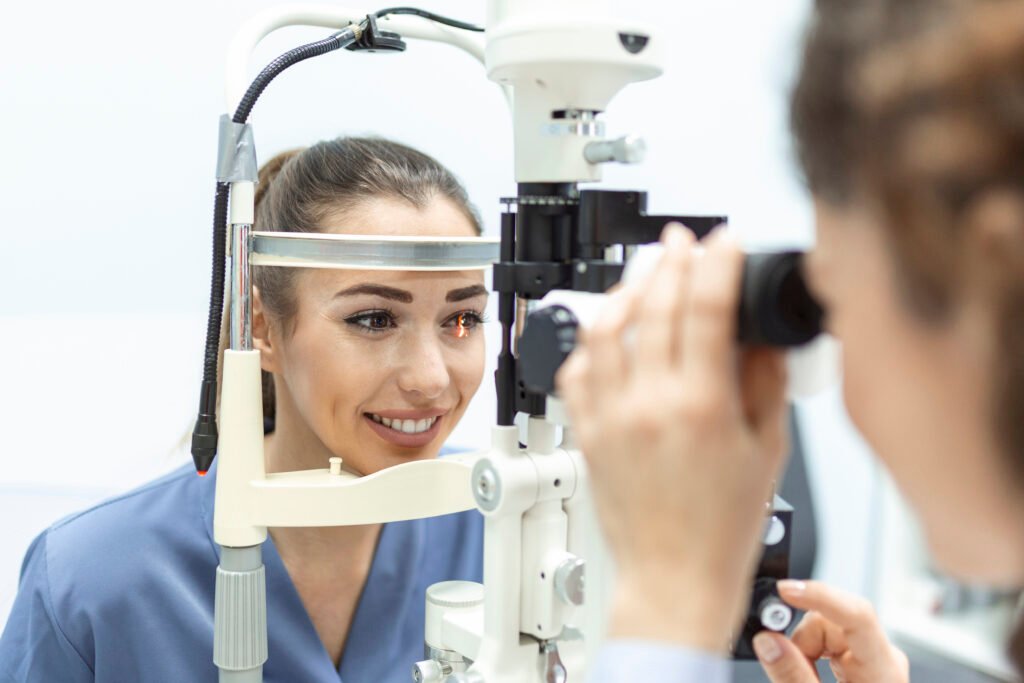
The ocular surface includes the cornea, conjunctiva, tear film, eyelids, and the glands that help maintain a healthy tear film. These structures work together to keep the eyes comfortable, protected, and capable of producing clear and stable vision.
Ocular Surface Disease (OSD) occurs when this delicate system becomes inflamed, damaged, unstable, or unable to heal normally.
Dry eye disease is one form of ocular surface disease, but ocular surface disease encompasses much more than simply “not producing enough tears.”
Patients with ocular surface disease may experience burning, stinging, grittiness, foreign-body sensation, fluctuating or blurred vision, light sensitivity, redness, excessive tearing, discomfort, eye pain, contact-lens intolerance, recurrent corneal erosions, or slow-healing areas of the cornea.
The outermost layer of the cornea is composed of epithelial cells that create a smooth protective barrier. When these cells are damaged faster than the eye can repair them, the surface may develop superficial punctate keratitis, epithelial breakdown, recurrent erosions, or persistent epithelial defects.
Treatment therefore involves more than simply making the eye feel better. Our objective is to identify the underlying cause of the problem and create an environment in which the ocular surface can protect itself, control inflammation, restore its epithelial barrier, heal, and remain stable.
Our Healing Philosophy
Protect → Control Inflammation → Restore → Regenerate → Maintain
Protect: Shield the damaged ocular surface from additional injury.
Control: Reduce excessive inflammation that may interfere with healing.
Restore: Allow the epithelial surface to re-establish an intact protective barrier.
Regenerate: Support a healthier biological environment for ocular-surface recovery.
Maintain: Treat the underlying cause—including dry eye disease, meibomian gland dysfunction, Demodex, inflammation, exposure, neurotrophic disease, or other disorders—to help prevent recurrence.